
Old Wallpaper That Fights Back on Removal
Wallpaper installation and removal in Oceanside for homes with layered, damaged, or stubborn wall surfaces
Many Oceanside properties—particularly the tract homes and beach-adjacent bungalows built through the 1970s and 1980s—went through multiple interior updates before hitting the resale market, and wallpaper was a standard finish choice in nearly every one of those decades. RN Sunrise Painting handles wallpaper installation and removal for homeowners and investors who need that layered history stripped cleanly so the wall underneath is actually ready for what comes next. The work matters most on flip properties, where a rushed wallpaper removal leaves torn drywall facing that telegraphs under a fresh coat of paint within weeks.
The removal process at RN Sunrise Painting does not stop at peeling paper. Old adhesive residue and paper backing left against the drywall create an uneven substrate that shows as texture variation under new paint. After the wallpaper is removed, any drywall damage—gouges, torn facing, soft spots—gets patched before priming begins, so the finished wall reads as a single plane rather than a patchwork of repairs. For homes going straight from wallpaper to a painted finish, this sequence is what separates a market-ready result from one that gets flagged on inspection.
Arrange a wall assessment with RN Sunrise Painting to determine the condition of the substrate before scheduling your next interior project..
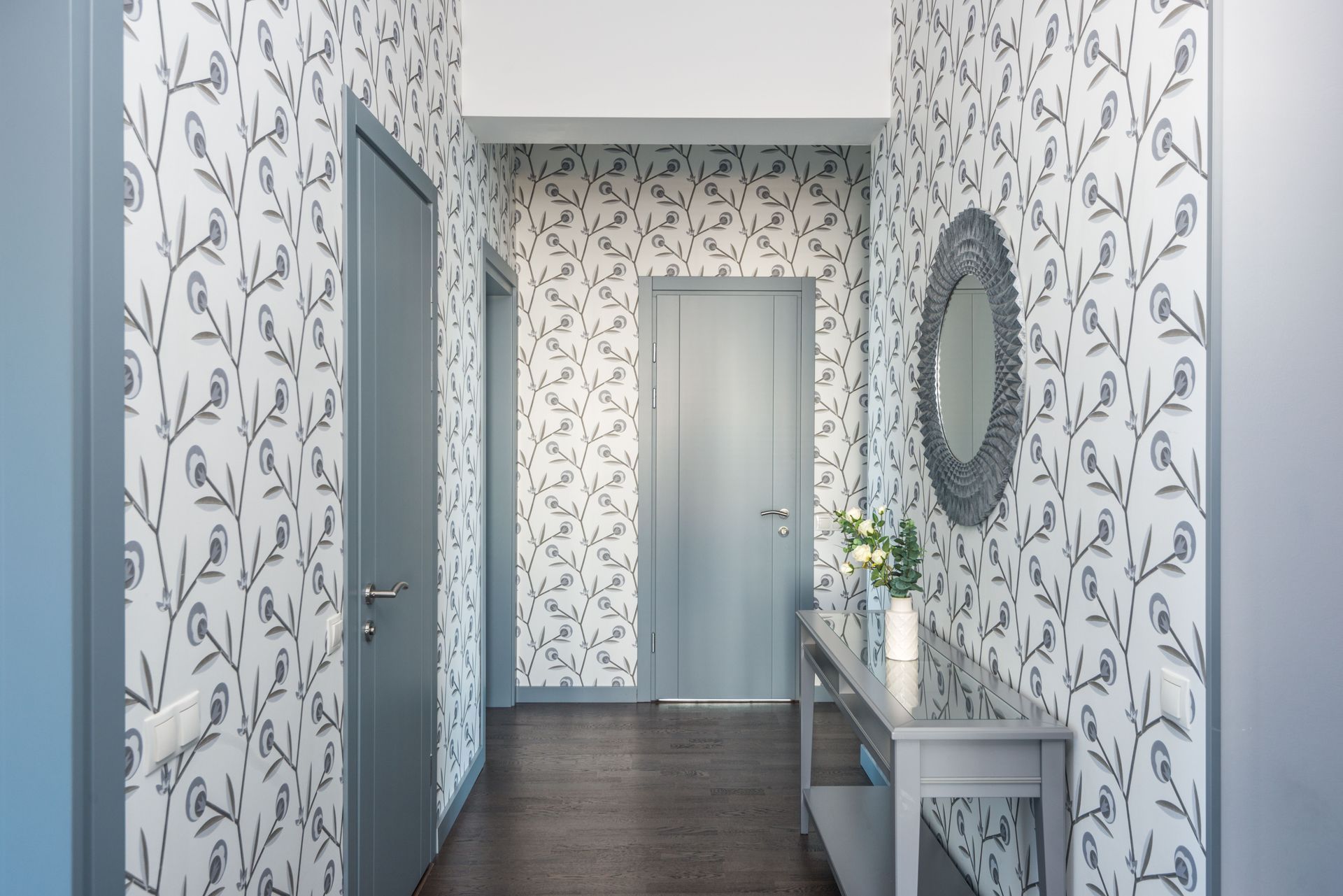
What Wallpaper Removal Actually Requires Before Painting
Wallpaper removal in older homes frequently reveals that the drywall beneath was never primed before the paper was hung—a common shortcut from the era when wallpaper was assumed permanent. When unprimed drywall facing tears during removal, the exposed paper fibers absorb paint unevenly and bubble under moisture-based products.
Addressing that means skim-coating the damaged areas, allowing proper dry time, and sanding to a level surface before any finish coat is applied. Skipping these steps is the reason painted-over wallpaper damage reappears as ridges or bubbling within a season.
Once the wall is properly prepared and painted, you will notice the surface holds a consistent sheen without the shadow lines and raised edges that follow incomplete prep work. RN Sunrise Painting carries the process through to the final painted finish, which means the handoff to the next phase of a flip or renovation is a wall that is genuinely done rather than one that needs revisiting.
For new wallpaper installation, the same surface standards apply—proper adhesion depends on a clean, flat, primed wall, and seams on quality installs are invisible at normal viewing distance. The scope of work on any project is determined by what the wall condition requires once the existing paper is off, not by a fixed package decided before the work starts..
What Property Owners Ask About the Work
Wallpaper projects raise specific questions about sequencing and surface condition that depend on how the original installation was done and what is underneath. These answers address the most common points about the removal and installation process itself.
What happens when wallpaper is glued directly to unprimed drywall?
When paper is bonded to bare drywall facing, removal pulls the paper fibers with it, leaving a rough, absorbent surface. Those areas require skim coating and sanding before paint will adhere evenly—skipping that step results in visible texture variation once the finish coat dries.
How is drywall patching done after wallpaper removal?
Damaged sections are filled with joint compound, feathered to match the surrounding surface, sanded smooth after drying, and primed before any finish coat is applied. The goal is a surface that reads flat under raking light, which is the standard test for whether the repair will hold visually.
Why do wallpaper seams become visible after painting over them?
Paint does not bond the same way to seam edges as to flat paper, and moisture in the paint can cause edges to lift slightly. In Oceanside homes where wallpaper has been in place for decades, seams are often already partially separated, making removal and repainting a more reliable path than painting over.
What determines whether old wallpaper can be removed in one pass or requires multiple treatments?
The number of layers, the type of adhesive used, and whether the wall was primed before installation all affect how the paper releases. Single-layer vinyl paper on a primed wall often strips cleanly; older paste-hung paper on bare drywall typically requires scoring and chemical softening.
How is new wallpaper installed so seams are not visible?
Pattern alignment, proper wall priming, and consistent adhesive application at every seam are the controlling factors. Seams are butted rather than overlapped on most modern installations, and the wall must be fully flat and dry before hanging begins—any moisture or unevenness in the substrate shows immediately at the seam line.
RN Sunrise Painting completes wallpaper removal, drywall repair, and painting as a single connected scope rather than handing off between trades—a practical advantage on flip timelines where every gap between steps adds days. Contact RN Sunrise Painting directly to walk through the wall condition and confirm what the project will require.