
Ceilings That Read as Finished, Not Dated
Popcorn ceiling removal in Oceanside for homes with textured ceilings that limit sale value or renovation appeal
Spray-applied acoustic texture—commonly called popcorn—was the default ceiling finish on residential construction from the late 1950s through the early 1990s, which covers a substantial portion of Oceanside's single-family housing stock built during that period. RN Sunrise Painting removes popcorn ceilings and paints the resulting smooth surface, handling the work as one connected job so the ceiling is genuinely finished rather than left in an intermediate state between trades. Homeowners preparing to sell, renovate, or simply update a room frequently find that the ceiling is the one surface buyers notice before walls or floors.
The removal process involves wetting the texture to soften the binder, scraping the surface flat, and then addressing whatever the ceiling substrate reveals—skim coating over imperfections, tape joints, or tool marks before priming. The scraping stage is where shortcuts appear: dry scraping moves faster but gouges the drywall, while proper wet removal preserves the surface and reduces the prep work that follows. A ceiling scraped correctly requires less compound work, which directly affects how flat the final painted surface looks under overhead light.
Request a ceiling evaluation from RN Sunrise Painting to assess the texture depth and substrate condition before the project begins..
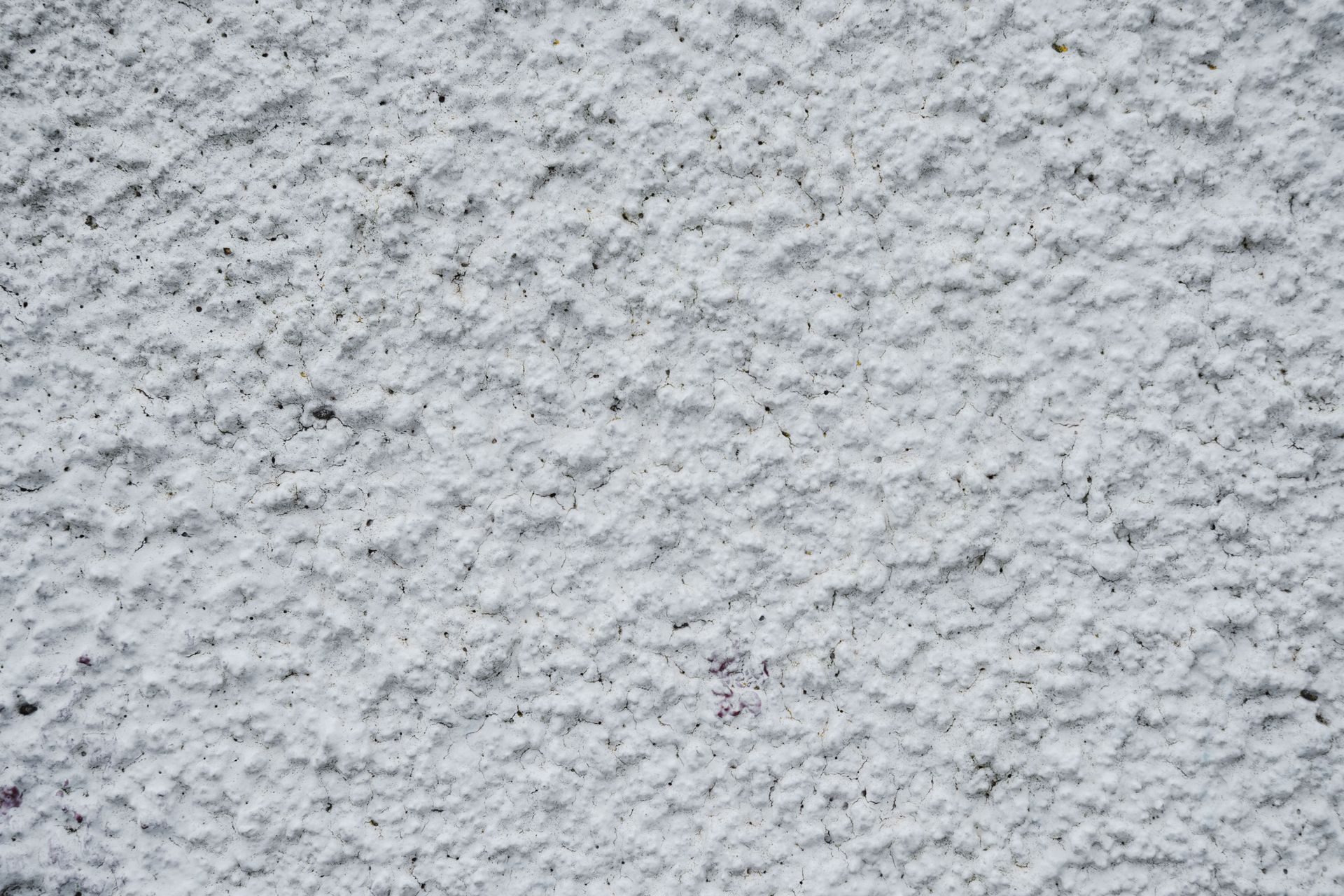
How Popcorn Removal Leads to a Smooth Painted Finish
After the texture is removed, the ceiling drywall typically shows tape joints, fastener dimples, and minor surface variation that were hidden under the texture and become visible once the surface is flat. These are addressed with joint compound, feathered and sanded to a consistent plane, then primed before the finish coat is applied. The primer step is not optional—bare compound absorbs paint differently than the surrounding drywall, and skipping it produces a patchy sheen that is visible on any low-angle light source, including natural light through windows.
The observable change once the work is complete is a ceiling that reflects light evenly across its full surface without the shadow patterning that textured ceilings cast in the afternoon. RN Sunrise Painting carries the project through to the painted finish, so the ceiling that leaves the job is the same one a buyer or inspector sees—flat, primed, and painted in a consistent finish.
One factor that affects the scope of work is ceiling height and access—rooms with standard eight-foot ceilings and clear floor areas move faster than spaces with built-ins, ceiling fans, or irregular soffits that require additional masking and scaffolding positioning. The number of light fixtures and their proximity to texture also affects prep time, since recessed cans and surface-mount fixtures in older homes are often surrounded by thicker texture deposits from original spray application..
Common Questions About How the Work Is Done
Popcorn ceiling removal raises questions about process, timing, and what the ceiling looks like at each stage. The following answers address what actually happens during and after the work, based on the conditions found in residential ceilings of the type common in Oceanside's mid-century and later housing.
What does the ceiling surface look like immediately after scraping?
The ceiling will show exposed drywall with visible tape joints, fastener points, and surface irregularities that the texture previously concealed—this is expected and addressed in the skim coat and sanding stage before any paint is applied.
How is the texture softened before removal?
Water is applied to the textured surface in sections, allowed to penetrate the binder for several minutes, then scraped while still wet. This method protects the drywall facing underneath and produces cleaner material removal than dry scraping.
Why does ceiling paint sometimes look uneven after popcorn removal?
Uneven sheen after painting is almost always the result of skipping or inadequate priming over compound patches—the compound pulls moisture from the paint and leaves dull spots against the sealed surrounding surface. A proper bonding primer applied uniformly after sanding prevents this.
How do ceiling fans and light fixtures affect the removal process?
Fixtures are masked or temporarily removed depending on their type and how tightly the original texture was sprayed around them—in Oceanside homes built during the 1970s and 1980s, texture was typically sprayed after fixture mounting, leaving ridged deposits at the fixture perimeter that require additional scraping attention.
What should a smooth ceiling look like when the work is finished?
A properly finished ceiling shows no visible tape joints, fastener marks, or tool lines under natural light entering through windows at a low angle—this raking light test is the standard check, and any remaining imperfections visible under that condition indicate incomplete skim work.
RN Sunrise Painting handles popcorn ceiling removal and the painted finish as one complete scope, which removes the coordination gap between a removal contractor and a separate painter. Connect with RN Sunrise Painting to schedule a ceiling walkthrough and confirm the surface condition and project requirements.