
Small Repairs That Close Out Your Paint List
Touch-up paint repair in Oceanside for interior and exterior surfaces showing wear, color mismatch, or minor damage
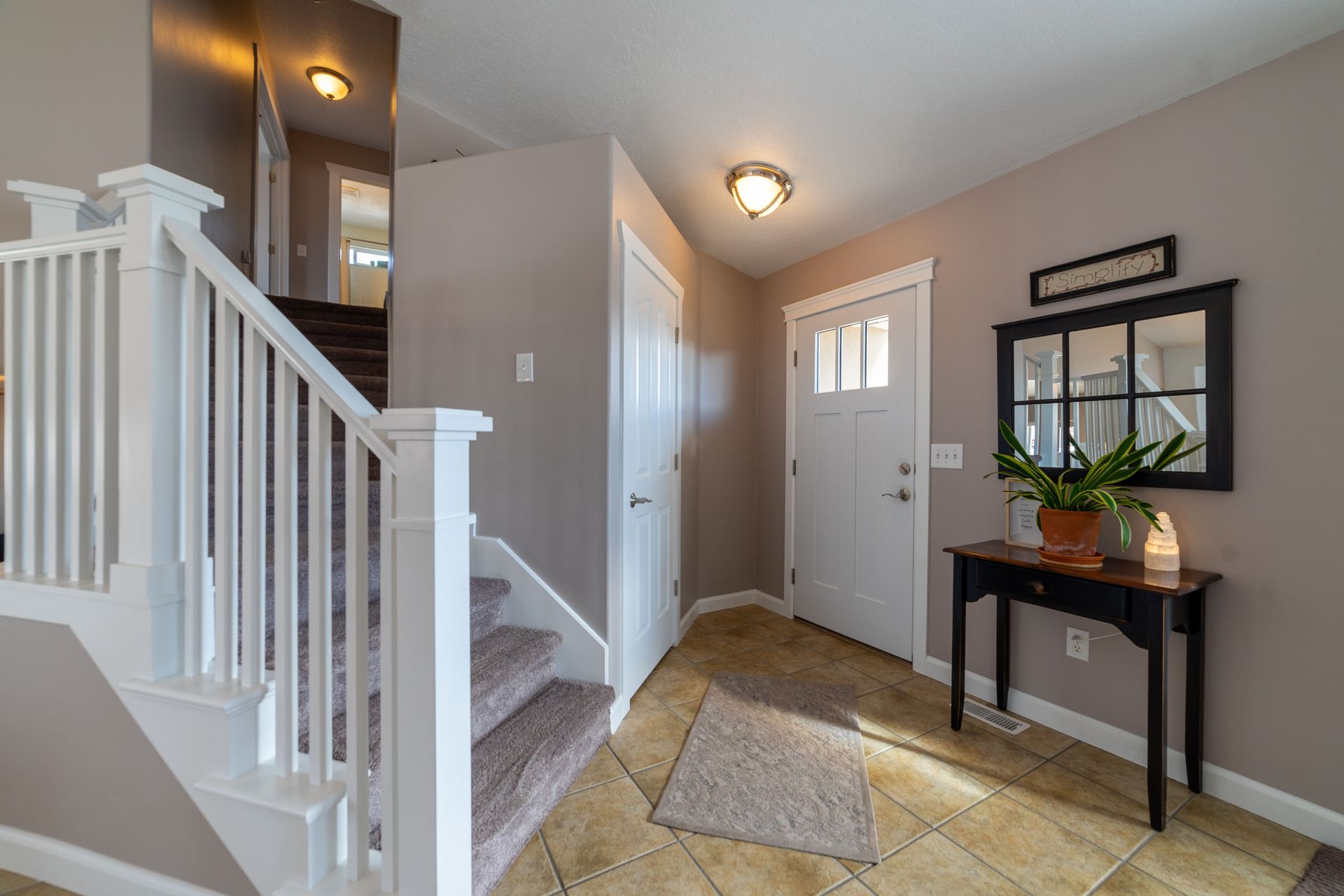
Normal household use leaves a visible record—scuffs along stairwell walls, chips at door edges where hardware contacts the frame, faded patches on exterior stucco where sun exposure has pulled the color unevenly. RN Sunrise Painting provides touch-up paint repair for interior and exterior surfaces, including stucco, drywall, and painted trim, with color matching that allows repairs to blend into the surrounding finish rather than stand out as obvious patches. This service addresses the accumulated small damage that builds up over time and rarely justifies a full repaint but is impossible to ignore once the list is long enough.
Color matching is the technical center of touch-up work. Paint on walls and exteriors shifts over time as the binder oxidizes and the pigment bleaches slightly, which means the original formula from the can used three years ago will not match the current wall color without adjustment. RN Sunrise Painting matches to the aged surface rather than the original specification, which is the only approach that produces a repair invisible at normal viewing distance. The same process applies to stucco patches and exterior painted surfaces where UV exposure has changed the tone from the original application.
Submit your list of touch-up locations to RN Sunrise Painting to confirm scope and determine whether surface preparation is needed before repairs begin..
The Difference Between a Visible Patch and a Matched Repair
Touch-up painting fails visibly for two reasons: wrong color or wrong sheen. Sheen is the more commonly overlooked variable—a repair applied with paint at a different gloss level than the surrounding surface reflects light differently and reads as a distinct patch even when the color is close. For interior walls, this typically means eggshell or matte, and using even a slight satin finish from a different product line will make the repair stand out under any direct light source. Exterior stucco has its own surface texture consideration: the repair material needs to match the original texture depth, or the repaired area will catch shadow differently than the surrounding wall.
After RN Sunrise Painting completes a touch-up repair correctly, the treated area is not distinguishable from the surrounding surface under normal interior or exterior light conditions. Scuff marks are gone, chips at trim edges are filled and leveled, and stucco repairs sit flush with the surrounding texture rather than proud of it or recessed into it.
Touch-up work often uncovers underlying surface conditions that affect how the repair holds—drywall that has absorbed moisture behind a chip, or stucco that has developed fine cracking behind a paint failure—and identifying those during the repair stage prevents the same location from failing again in a short period. The scope of a touch-up job is determined by what the surface reveals once the damaged paint is assessed, not by a fixed per-patch estimate..
Answers About How the Work Is Done
Touch-up repair questions tend to focus on whether the repair will actually be invisible and what the process looks like for matching color on aged surfaces. The following questions cover the service-specific process and what to expect at each stage.
How is color matched to a wall that has aged since the original paint was applied?
The match is made to the current surface color rather than the original formula—a small area is sampled visually and digitally where possible, and the mixed tint is tested against the existing wall before the repair is applied, allowing for adjustment before any material goes on the surface permanently.
Why do touch-up repairs sometimes show as lighter or darker patches even when the color appears correct?
Sheen level and application method both affect how a repair reads under light—a touch-up feathered into the surrounding area with the same applicator type and pressure used originally is far less visible than one applied in a single stroke with a different brush or roller nap than was used on the wall.
What surface preparation is needed before a touch-up repair can be applied?
Chips and gouges need to be filled and sanded flush before paint, loose or peeling material must be removed back to a stable edge, and the surrounding surface should be clean and dry—applying touch-up paint over dust or residue prevents proper adhesion and makes the repair edge visible.
How does stucco touch-up differ from drywall or interior paint repair?
Stucco repairs require matching both the texture and the paint layer—the patching material must replicate the original finish texture before any paint is applied, and on Oceanside exteriors, the aged surface tone often requires a tinted base rather than standard white stucco mix to achieve a close color match before the topcoat.
When is a touch-up repair the right approach versus a full repaint of the surface?
Touch-up work is appropriate when damage is localized to specific points and the surrounding paint is in stable, adhered condition—if the surrounding finish is chalking, peeling, or showing widespread fading, spot repairs will not hold and a full surface repaint addresses the root condition rather than individual symptoms.
RN Sunrise Painting handles touch-up repairs for both interior and exterior surfaces, with color matching included as part of the work rather than as a separate step. Connect with RN Sunrise Painting to go through your list of repairs and confirm what preparation each location will need before the work starts.