
Walls That Read Clean and Consistent Again
Drywall repair in Oceanside for damaged, patched, or poorly textured interior walls that show mismatched surfaces after previous work
A patched wall that doesn't match the surrounding texture is more visible after painting than before. Sheen, light angle, and paint amplify texture differences—so a repair that looks acceptable before finish coat can read as an obvious patch once color is applied. RN Sunrise Painting handles drywall repair with texture matching and high-quality painting to finish, treating the repair and the finish coat as a single continuous process rather than two separate trades. This matters most in homes where the existing wall texture is irregular, hand-applied, or aged in ways that off-the-shelf spray texture won't replicate.
The work starts with evaluating the existing texture—its pattern, application depth, and how it was originally applied. Orange peel, knockdown, skip trowel, and smooth finish each require a different technique to replicate convincingly, and the repair area must be feathered wide enough that the transition from old to new surface is gradual enough to disappear under paint. RN Sunrise Painting carries through from repair to finished coat, which removes the handoff gap where mismatches most commonly occur.
Arrange an on-site look at the damaged areas to get an accurate read on what texture matching will require for your specific walls..
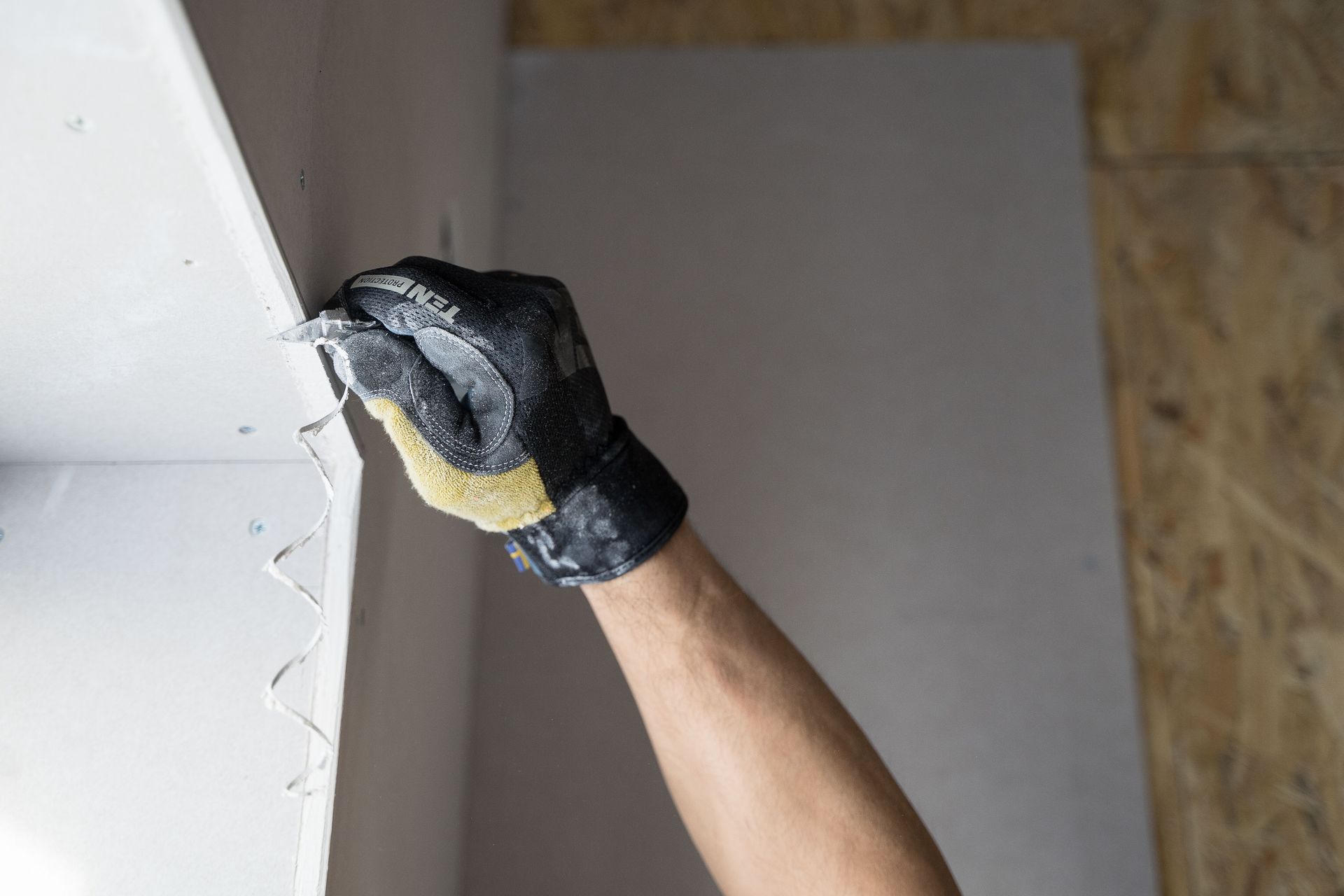
How Texture Matching Produces a Seamless Finish
What Makes Proper Texture Matching Difficult to Shortcut
Replicating an existing wall texture involves controlling compound consistency, tool choice, application pressure, and drying time in combination. Knockdown texture, for example, requires the compound to be applied at the right wet consistency, then knocked down at a specific moment in the drying window—too early and it smears flat, too late and it hardens before it flattens. These are judgment calls made in real time during the application, which is why texture matching done by someone who does it regularly produces a different result than texture matching done infrequently.
After repair and painting are complete, the finished wall reads as a continuous surface under both direct and raking light. The patch area is not distinguishable from the surrounding wall by texture profile, sheen level, or color. This is the standard RN Sunrise Painting holds the work to—not just that the repair is structurally sound, but that it disappears into the surrounding surface once the finish coat is dry.
The scope of drywall repair work varies: a small hole from a door handle is a different project than a section damaged by water intrusion, and water-damaged drywall requires confirming the source of moisture is resolved before the repair is closed up. Repairs that are painted over a live moisture problem will fail again, which is why the condition of the framing and any insulation behind the repair area is assessed before work proceeds..
Answers About How the Work Is Done
Interior walls in Oceanside homes span a wide range of ages and construction methods, from mid-century plaster systems to modern drywall, each presenting different conditions for repair and texture replication.
How is the existing wall texture identified before repairs begin?
The texture is examined by eye and by hand to identify the pattern and application method—whether it was sprayed, troweled, or applied with a roller—so the correct technique and compound consistency can be matched before any material is applied to the wall.
What does the repair process involve between patching the drywall and applying the finish coat?
After the patch is set and sanded level, texture is applied to the repair area and feathered into the surrounding surface, then allowed to dry completely before primer is applied—primer seals the repaired area so it accepts paint at the same rate as the surrounding wall and doesn't flash differently under the finish coat.
Why does the repaired area sometimes look obvious after the first coat of paint?
New drywall compound and texture absorb primer and paint differently than the aged surrounding surface, which is why a dedicated primer coat over the repair area is applied before the finish coat—skipping primer is the most common cause of repaired areas that stand out after painting.
How wide does the texture blending need to extend beyond the actual repair?
The feathering zone typically extends several inches beyond the repair edge so the transition from repaired to original texture is gradual enough that it falls below the threshold of visibility under normal lighting.
What should you look for to evaluate whether a texture repair was done correctly?
Inspect the repaired area under raking light from a lamp or natural light at a low angle—a well-matched repair will not cast a different shadow pattern than the surrounding wall, and the surface will read as continuous rather than patched.
RN Sunrise Painting also completes drywall repair and texture matching projects in Carlsbad, Vista, San Marcos, and Escondido. To get a clear evaluation of what your walls need and what the finished result will look like, contact RN Sunrise Painting to review the repair areas directly.